
What’s Really in Your Vape?
Vape products containing cannabinoids have become increasingly available in Ireland. Cannabinoids are substances that can produce effects similar to cannabis. These products are being sold in different forms and under different names, including CBD and HHC vapes. Recent testing by the HSE has raised a serious concern: the substance named on the packaging may not always be what is actually inside the vape.
The HSE warned that high-risk cannabinoids had been found in vapes and vape liquids obtained from shops and the illicit market in Ireland. In some cases, vape products labelled as containing CBD were found to contain potent synthetic cannabinoids instead.
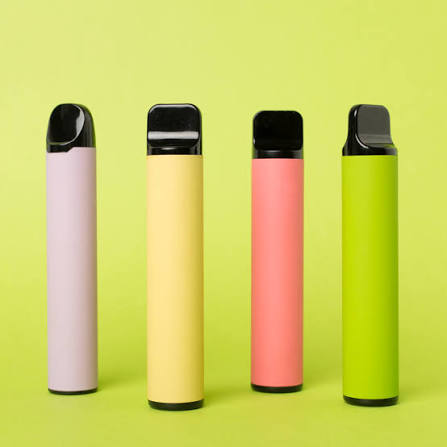
The HSE found that some cannabinoid vapes contained substances different from those listed on their packaging. A product labelled as CBD may contain HHC or a potent synthetic cannabinoid.
What are cannabinoid vapes?
Cannabinoids are substances that interact with the body in similar ways to chemicals found naturally in cannabis.
The most widely known is THC, the main psychoactive substance in cannabis and the substance responsible for its intoxicating effects. CBD is another cannabinoid, but it does not produce the same “high” as THC.
There are also newer substances known as semi-synthetic and synthetic cannabinoids. These have been chemically altered or manufactured to produce effects similar to THC and can appear in products such as vapes, vape liquids and edibles.
The concern is that these different substances can vary considerably in their strength and effects, and the packaging may not always make it clear which one is actually inside.
What did the HSE find?
During 2026, the HSE Emerging Drug Trends Laboratory tested 76 vapes and vape liquids from shops and the illicit market in Ireland.
Among the substances identified were:
Some products contained more than one substance, so these figures overlap. One of the most concerning findings was that some products did not contain what their labels suggested.
What is HHC?
HHC (Hexahydrocannabinol) is one of the substances that has appeared in cannabinoid vapes and other products in Ireland. It is a semi-synthetic cannabinoid, generally produced by chemically altering a cannabinoid found in the cannabis plant. Its effects can be similar to THC.
HHC is a controlled drug in Ireland since 29 July 2025, HHC is now a controlled drug under Ireland’s Misuse of Drugs Act 1977, making its possession, production, sale, supply, import and export illegal. This also gives An Garda Síochána powers to enforce restrictions on HHC products.
What are synthetic cannabinoids?
These are substances produced to act on the same receptors in the body as THC. Some are commonly referred to as “spice” and can be more potent than traditional cannabis.
The risk becomes even greater when these substances are found in products that may not be accurately labelled. A person could therefore take a potent synthetic cannabinoid without knowing that it is in the vape at all.
What are the risks?
The HSE has linked high-risk cannabinoid products with serious physical and mental health effects, including:
- Severe intoxication
- Loss of consciousness
- Withdrawal
- Psychosis
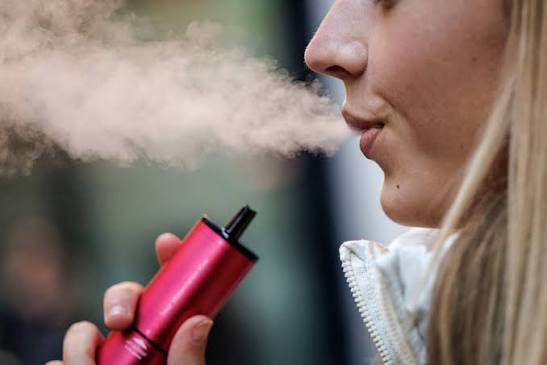
Does buying it in a shop mean it's safe?
No. A product being openly available, professionally packaged or sold in a shop does not guarantee that its contents are accurately labelled or legal.
Why this matters
Cannabinoid vapes can look much like any other vape. The difference is that the substances inside them can be powerful, unpredictable and, in some cases, illegal.
For young people in particular, understanding that risk is important. At LawEd, we believe young people should have clear, factual information about current issues and the law surrounding them, particularly when new products and trends can make the risks difficult to recognise.